Naval Architecture Deep Dive
Composite Marine Engineering, Hydrodynamics & Coastal Corrosion Science
Hydrodynamic efficiency, hull osmosis prevention, anti-fouling chemistry, and pontoon buoyancy physics.
4. Seawater Electrochemistry & Elimination of Galvanic Corrosion
Seawater is an aggressive electrolyte with high electrical conductivity (~5 S/m) containing dissolved sodium chloride, magnesium, sulfates, and oxygen. When dissimilar metals (such as stainless steel shafts, bronze propellers, and steel hull plating) are submerged in seawater, a galvanic cell is established, causing rapid sacrificial corrosion of the less noble metal.
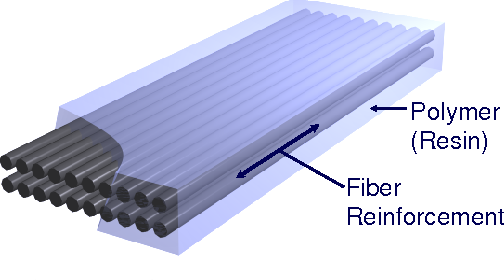
FRP composites are completely non-metallic, electrically non-conductive, and chemically inert in seawater. They eliminate galvanic potential gradients, require no sacrificial zinc anodes on composite hull sections, and do not suffer from chloride-induced crevice corrosion or pitting.
5. Osmosis Blistering Prevention & Isophthalic Gelcoats
In inferior fiberglass boats built with standard orthophthalic polyester resins, water molecules slowly penetrate the outer resin layer via micro-capillaries, reacting with water-soluble impurities to create acidic osmotic pressure cells that cause unsightly surface blistering.
Our marine mouldings utilize high-density Isophthalic Neo-Pentyl Glycol (ISO-NPG) Gelcoats and Vinyl Ester tie-coats. ISO-NPG polymers form tightly cross-linked, hydrophobic molecular lattices that reduce water vapour transmission rates by over 80%, completely preventing osmotic blistering over the vessel’s 30+ year lifespan.
6. Floating Marina Pontoons & Aquaculture Work Platform Design
Modern coastal marinas, port pilot embarkation platforms, and offshore aquaculture fish farms require modular floating pontoon systems with high reserve buoyancy and extreme roll stability. We manufacture custom rotationally moulded and contact-moulded FRP pontoon floats filled with expanded closed-cell polystyrene (EPS) or polyurethane foam. Even under severe wave impact or puncture, our unsinkable pontoon modules maintain 100% positive buoyancy.