
About FRP Marine & Industrial Solutions
Pioneering high-performance composite engineering, chemical corrosion protection, and specialized marine structural fabrication across Andhra Pradesh.
Solving Severe Coastal & Industrial Corrosion Since Day One
FRP Marine & Industrial Solutions was established in Visakhapatnam with a singular engineering mission: to eradicate the crippling financial and operational toll of industrial corrosion across coastal and manufacturing facilities in Andhra Pradesh.
Along Andhra Pradesh’s expansive 974-kilometer coastline, heavy industrial enterprises face severe ambient humidity, constant airborne marine chlorides, aggressive acid fumes, and severe chemical effluents. In major industrial nodes such as the Visakhapatnam Port Authority, Gangavaram Port, HPCL Refinery, Jawaharlal Nehru Pharma City (JNPCL) Parawada, RINL Vizag Steel Plant, Kakinada Port, and Krishnapatnam, traditional mild steel and reinforced concrete structures suffer rapid electrochemical deterioration. Coated steel structures rust within 12 to 24 months, requiring continuous sandblasting and repainting, while concrete neutralizing pits crack and leak, causing catastrophic plant shutdowns and environmental hazards.
Our organization addresses these challenges through advanced composite material science. We engineer, design, fabricate, and commission high-integrity Fibre Reinforced Polymer (FRP) composite systems that are naturally 100% rust-proof, chemically inert, non-conductive, and structurally robust for over 25 to 35 years of maintenance-free service.
Today, our multidisciplinary team of composite design engineers, polymer chemists, tooling craftsmen, and NDT certified inspectors partners directly with plant managers, project procurement heads, and maritime operators across all 16 industrial districts of Andhra Pradesh. We handle everything from single-prototype tooling to complete plant-wide turnkey composite installations.
The Polymer Chemistry & Reinforcement Science Behind Our Products
How our composite matrix architectures achieve superior chemical resistance, tensile strength, and impact absorption.
1. Thermoset Polymer Resin Matrices
We work with high-purity industrial resins: Bisphenol-A Epoxy Novolac Vinyl Esters for extreme acid and solvent resistance (HCl up to 37%, H2SO4 up to 70%), Isophthalic Polyesters for severe marine and potable water service, and Halogenated Resins with Antimony Trioxide synergists for ASTM E84 Class 1 fire-retardancy (Flame Spread ≤ 25).
2. E-CR Glass Fiber Reinforcements
Our structural laminates utilize high-performance Electrical/Chemical-Resistant (E-CR) glass fibers, completely free of boron and fluorine. E-CR glass eliminates acid-induced stress corrosion cracking that commonly plagues standard E-glass, ensuring that structural backing plies retain full tensile strength over decades.
3. Dual Synthetic Chemical Barrier Veils
The inner fluid-contact layer of our chemical tanks and pipes incorporates a 90% resin-rich barrier reinforced with synthetic polyester (Nexus/Dacron) or C-Glass veils. This prevents micro-capillary fluid penetration, protects structural glass strands, and maintains mirror-smooth fluid dynamics.
Exhaustive Quality Testing & Inspection Protocols
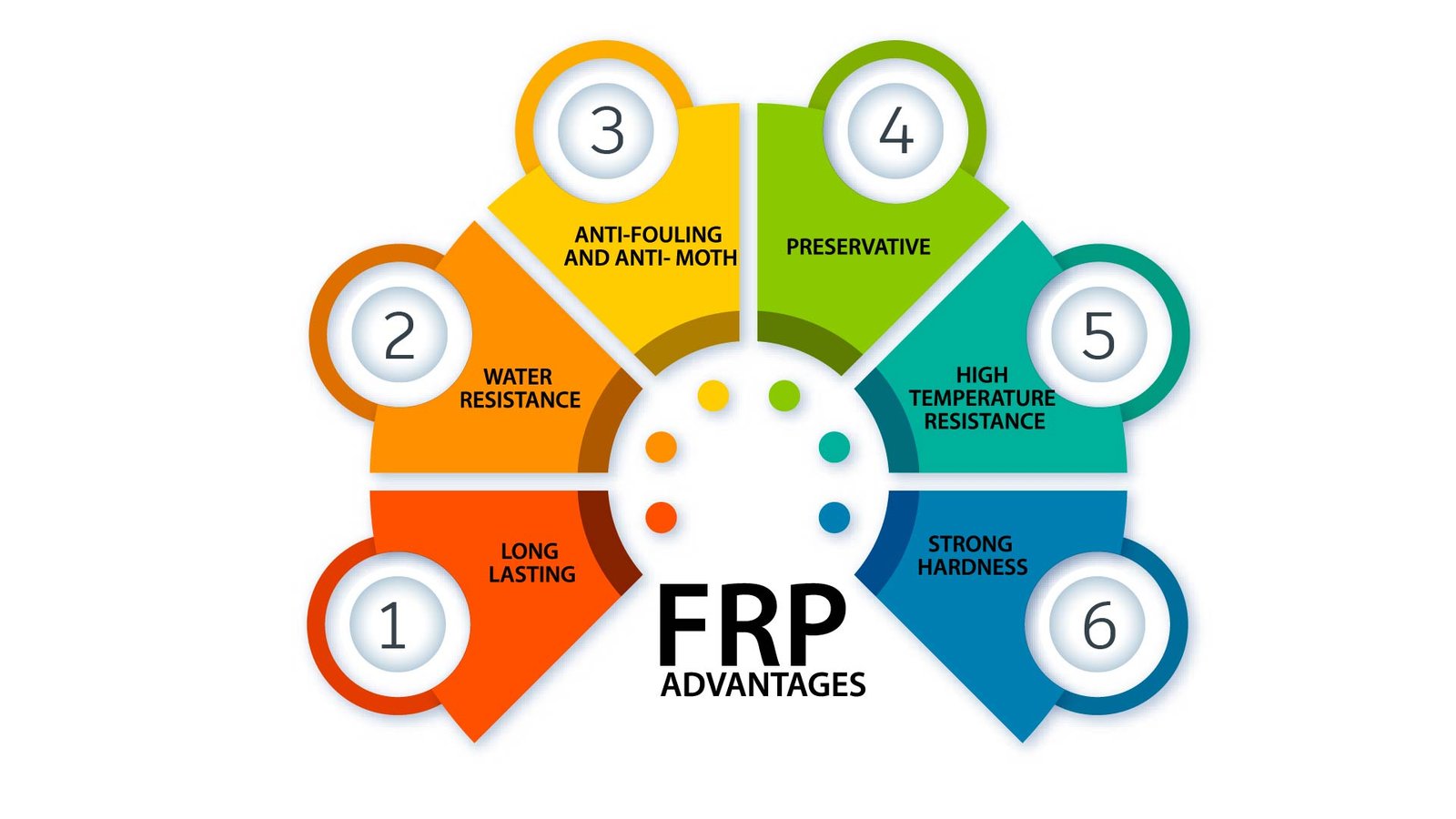
Every composite laminate fabricated in our Visakhapatnam works passes 6 rigorous stage-gate quality inspections.
| Test Parameter | Standard Code | Testing Mechanism & Methodology | Acceptance Criteria | Significance for Plant Operation |
|---|---|---|---|---|
| Barcol Indentation Hardness | ASTM D2583 / DIN EN 59 | Spring-loaded sharp steel indenter pressed against cured laminate surface across 10 random points. | Barcol Hardness ≥ 40 for Vinyl Ester (minimum 85% of pure cast resin hardness). | Confirms complete polymer cross-linking; prevents chemical softening and swelling. |
| High-Voltage Spark Holiday Test | ASTM D5162 / NACE SP0188 | 10,000 Volt continuous DC brush probe swept across 100% of the internal chemical barrier surface. | Zero electrical arcs or spark discharges (100% pinhole-free barrier). | Guarantees zero microscopic leaks or porosity in acid containment vessels. |
| Glass Content (Loss on Ignition) | ASTM D2584 / ISO 1172 | Laminate coupon heated to 565°C in muffle furnace until complete resin matrix burn-off occurs. | Hand layup: 30%–40% glass fraction; Filament winding: 55%–65% glass fraction. | Verifies exact reinforcement weight ratios and structural thickness compliance. |
| 24-Hour Hydrostatic Leak Test | ASTM D3299 / BS 4994 | Vessel completely filled with clean water to maximum overflow head and held continuously for 24 hours. | Zero pressure loss, zero weeping at seams/nozzles, structural deflection ≤ 0.5% diameter. | Proves mechanical hoop strength under maximum full-head hydrostatic loading. |
| Tensile & Flexural Strength | ASTM D638 / ASTM D790 | Universal Testing Machine (UTM) executes axial tension and 3-point flexural bending on cut coupon samples. | Tensile Strength ≥ 180 MPa; Flexural Modulus ≥ 8,500 MPa. | Ensures compliance with structural engineering calculation models and FEA simulations. |
| Surface Flammability | ASTM E84 / UL 94 | Steiner Tunnel test evaluates flame propagation velocity and optical smoke density generation. | Class 1 Fire Rating (Flame Spread Index ≤ 25; Smoke Development ≤ 50). | Mandatory for offshore oil rigs, power stations, and enclosed electrical battery rooms. |
Corrosion Forensics: Why Metals Fail Where FRP Endures
Understanding the electrochemical failure mechanisms of metals in aggressive chemical and coastal environments.
1. Galvanic Pitting & Chloride Stress Cracking in Stainless Steel
Many process engineers specify Stainless Steel 304 or 316 assuming complete immunity to corrosion. However, in environments containing aqueous chlorides (such as seawater at Vizag Port or hydrochloric acid at chemical plants), chloride ions penetrate the microscopic passive chromium oxide film.
This triggers autocatalytic localized pitting corrosion and catastrophic Chloride Stress Corrosion Cracking (CSCC) under mechanical tension, leading to sudden, unannounced brittle fracture. FRP composites, being completely non-metallic, contain zero free electrons and are 100% immune to galvanic or electrochemical pitting.
2. Saponification & Acid Attack on Concrete Structures
Reinforced Cement Concrete (RCC) relies on an alkaline calcium silicate hydrate matrix (pH ~ 12.5) to protect embedded steel rebar. When exposed to acidic wastewater or hydrogen sulfide gas (H2S) in sewer lift stations and industrial ETPs, sulfuric acid reacts with calcium hydroxide to form gypsum and ettringite.
This expansive reaction causes concrete spalling, exposing the structural rebar to rapid oxidation. Our monolithic in-situ Vinyl Ester fiberglass relining systems create an impenetrable non-porous chemical shield that seals concrete against acid penetration and biogenic corrosion.
Our Visakhapatnam Manufacturing Works & Tooling Center
Our specialized facility in Visakhapatnam, Andhra Pradesh is purpose-built for heavy composite fabrication, cylindrical filament winding, and high-precision pattern tooling. Spanning modern fabrication bays, our plant is equipped with:
- Automated Helical Filament Winding Mandrels: Capable of winding cylindrical vessels and process pipes up to 4,000 mm diameter and 12 meters in length with automated CNC carriage tension control.
- Dedicated Open Moulding & Hand Lay-Up Bays: Climate-controlled fabrication floors with dedicated exhaust ventilation and dust extraction for precision hand contact moulding.
- Vacuum Infusion & VIP Processing Area: Equipped with high-vacuum rotary vane pumps, resin distribution manifolds, and ultrasonic leak detectors for high-strength void-free marine hulls and components.
- In-House Pattern & Mould Tooling Shop: Wood, high-density polyurethane foam, and composite master plug construction bays capable of producing tight-tolerance split moulds.
- Temperature-Controlled Resin Storage & Post-Curing: Climate-regulated raw material warehousing and heated post-curing enclosures to ensure complete cross-linking.
Corporate Address & Contact
FRP Marine & Industrial Solutions
Sriramnagar, Arilova, Chinagadili Mandalam, Old Dairy Farm Post,
Visakhapatnam – 530040, Andhra Pradesh, India.
Direct Phone: +91 94907 49330 | Email: Appalarajumalli39661@gmail.com
Environmental Stewardship & Lifecycle Advantages
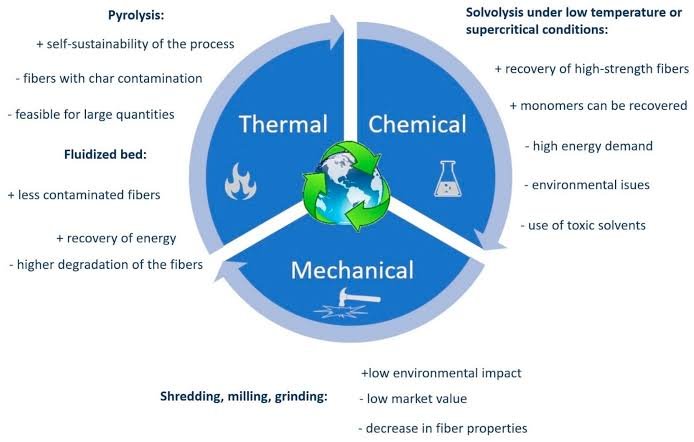
Why FRP composites represent a sustainable, low-carbon alternative to structural steel and concrete.
Lower Embodied Carbon
The primary manufacturing energy required to produce 1 ton of FRP composite is significantly lower than the extreme smelting temperatures required for structural steel or stainless steel production.
Zero Toxic Paint Runoff
Eliminating periodic sandblasting and lead/zinc-based epoxy recoating cycles prevents toxic chemical and heavy metal runoff into coastal marine waters and soil ecosystems.
70% Lighter Freight Emissions
Being 70% to 75% lighter than structural steel components, transporting FRP equipment across Andhra Pradesh slashes fuel consumption, vehicle payload requirements, and transportation carbon emissions.
Corporate Governance, Engineering Ethics & Technical Capabilities
Inside our multidisciplinary composite engineering team, design validation tools, and customer commitment.
1. Multidisciplinary Engineering Council
At FRP Marine & Industrial Solutions, technical precision is driven by our specialized engineering team combining polymer chemists, composite structural engineers, CAD/FEA draughtsmen, and certified NDT Level-II inspection specialists. Every chemical process vessel, marine cabin moulding, and walkway grating project undergoes a rigorous peer design review before pattern tooling and laminate scheduling commence.
Our engineering division leverages cutting-edge computer-aided engineering (CAE) platforms to simulate hydrostatic loads, seismic accelerations (compliant with IS 1893 Zone II & Zone III requirements across Andhra Pradesh), and wind-induced vortex shedding (compliant with IS 875 Part 3 basic wind speeds up to 50 m/s for coastal cyclone zones).
2. Zero-Compromise Raw Material Traceability
We maintain strict 100% batch traceability for all incoming raw materials:
- Thermoset Resins: Sourced exclusively from pre-qualified tier-1 global and national manufacturers with complete Certificate of Analysis (COA) verifying liquid resin viscosity, gel time, acid value, and monomer content.
- Glass Reinforcements: Electrical/Chemical-Resistant (E-CR) glass fibers sourced with mill test certificates confirming boron-free formulation and compatibility with vinyl ester and epoxy resin sizings.
- Catalysts & Promoters: Controlled-purity Methyl Ethyl Ketone Peroxide (MEKP) and cobalt naphthenate promoters stored under climate-controlled raw material warehouses to ensure reproducible polymerization kinetics.
3. Continuous Technical Training & Apprenticeship
Composite fabrication is an art demanding exceptional manual skill, precise resin-to-glass weight ratio management, and strict cleanliness. Our laminate craftsmen undergo rigorous internal apprenticeship covering vacuum bagging techniques, resin flow distribution, de-airing roller techniques, and confined space safety protocols. This commitment to craftsmanship ensures that every component leaving our Visakhapatnam works meets world-class quality standards.
Corporate Quality Policy, Safety Standards & Andhra Pradesh Industrial Commitment
Our core principles of composite reliability, client transparency, and zero-defect manufacturing.
4. Corporate Quality Policy & Zero-Defect Philosophy
At FRP Marine & Industrial Solutions, our corporate quality policy is anchored in empirical testing, strict adherence to international design codes (ASME RTP-1, BS 4994, ASTM D3299, ASTM D4097), and complete raw material traceability. We believe that in chemical process plants and maritime operations, material failure is never an option. A single chemical storage tank failure or structural grating collapse can cause millions of rupees in production downtime, environmental contamination, and life-threatening workplace safety hazards.
To eliminate failure risks, every stage of our production—from mold surface preparation and catalyst dispensing to multi-ply glass deposition, de-airing consolidation, and post-curing—is monitored by dedicated quality assurance engineers following pre-approved Inspection and Test Plans (ITP).
5. Regional Commitment Across Andhra Pradesh's 16 Industrial Corridors
Headquartered in Visakhapatnam, we maintain rapid-response technical consultation and product delivery across the entire state of Andhra Pradesh. From the heavy metallurgical plants of Visakhapatnam to the fertilizer hubs of Kakinada, the commercial machinery zones of Vijayawada and Guntur, the pharmaceutical clusters of Srikakulam and Anakapalli, the aquaculture hatcheries of Bhimavaram and Nellore, and the renewable energy facilities of Rayalaseema (Tirupati, Kadapa, Kurnool, Anantapur)—we are dedicated to building enduring industrial partnerships.
Comprehensive Quality Management System (QMS) & Material Testing Rigor
Inside our rigorous inspection stage-gates, material validation workflows, and technical warranties.
6. Stage-Gate Quality Control Architecture
Every composite product fabricated at our Visakhapatnam manufacturing plant moves through a documented 5-stage quality gate before final dispatch release:
- Stage 1 - Raw Material Verification: Every resin drum and glass fiber roll is inspected upon arrival. Resin viscosity, gel time at 25°C, specific gravity, and glass fiber areal weight (gsm) are validated against manufacturer mill test certificates.
- Stage 2 - Tooling & Mould Inspection: Mould dimensions, draft angles, surface gloss, and release agent application are audited to guarantee dimensional tolerances within ± 1.5 mm.
- Stage 3 - In-Process Lamination Audit: Ambient workshop temperature (20°C–35°C) and relative humidity (≤ 75%) are logged. Ply sequencing, resin-to-glass weight ratios, and roller de-airing consolidation are continuously verified.
- Stage 4 - Cured Laminate Testing: Barcol hardness indentation (ASTM D2583) and high-voltage spark testing (ASTM D5162 @ 10,000V) are conducted on 100% of internal chemical corrosion barriers.
- Stage 5 - Final Dimensional & Hydrostatic Verification: Overall height, nozzle orientation angles, flange bolt hole PCD, and 24-hour hydrostatic proof tests are executed before applying final shipping preservation.